
Janet Peace and Katherine Hamilton on Carbon Pricing, Climate Policy, and Building Markets from the Ground Up

The last two decades have seen a series of experiments (leading to both successes and setbacks) in carbon pricing and market-based climate policy happening across state, national, and international levels. In this interview, Katherine Hamilton, Ecosystem Marketplace Advisory Board member and co-author of Voluntary Carbon Markets: A Business Guide and Janet Peace, co-chair of the Business Alliance for Climate Action and Senior Advisor on Policy to Anew Climate, reflect on what we’ve learned along the way.
Katherine: Janet, to begin, could you tell us about your current role?
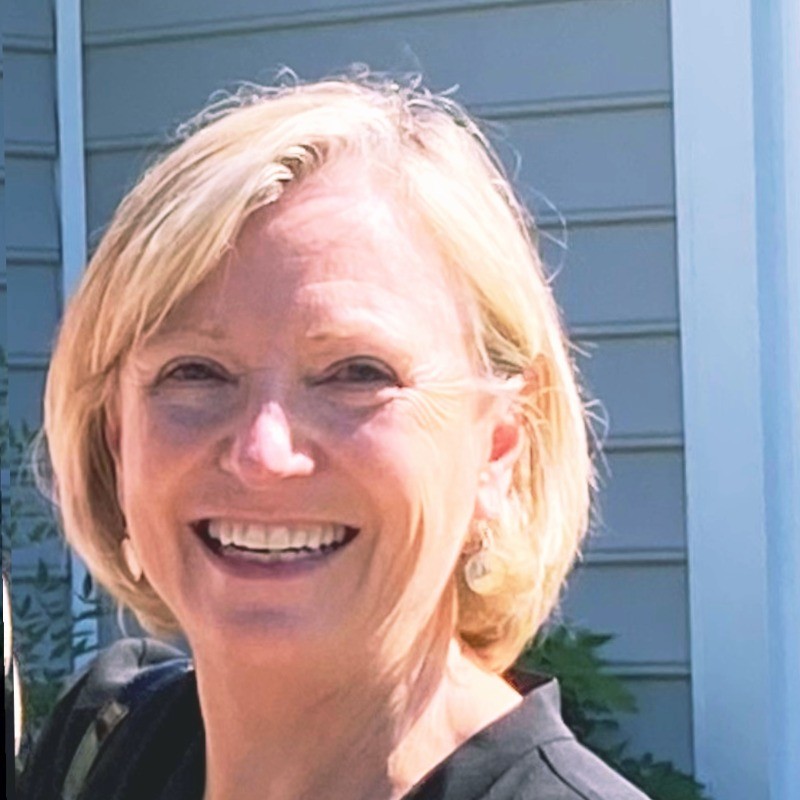
Janet: I’m a Senior Advisor on Policy for Anew Climate, and I’m also co-chair of the Business Alliance for Climate Action, or BACA, an advocacy group focused on carbon markets and climate policy.
Katherine: You have an incredible depth of experience in this field—I remember meeting you at a carbon conference in 2006. How did you first get involved in carbon pricing and climate markets?
Janet: It was something of an accident. I was teaching environmental economics at the University of Calgary when someone from the Alberta government asked me to teach seminars on market-based environmental instruments—things like acid rain programs and recycling systems.
Then they said, “Canada just signed the Kyoto Protocol. Can you help us understand what that means and how Alberta might respond?”
That led to a role with a startup nonprofit called Climate Change Central. We helped educate industry about emissions trading through simulations and policy design.

Alberta ended up launching one of the first carbon pricing systems in North America through its Specified Gas Emitters Regulation—before many people were paying attention.
Katherine: Where did your career go from there?
Janet: I eventually moved back to the United States and joined Pew Center on Global Climate Change, which later became the Center for Climate and Energy Solutions. They initially hired me as an economist during the era of the McCain-Lieberman climate bill. My role was to translate economic modeling into plain English for policymakers and the public.
Later, I led corporate engagement, domestic policy, and economics work. It was an exciting time because we were helping shape serious national climate policy conversations.
One of the biggest lessons I took from that experience was the importance of communication. If climate policy is explained only through jargon and acronyms, people tune out. Good storytelling matters.
Katherine: You later moved into the private sector as well.
Janet: Yes. After many years in the nonprofit world, I joined Blue Source (now Anew), where I helped build consulting and policy work.
Eventually it became clear the market needed a more coordinated policy voice, so we helped create the Business Alliance for Climate Action. Our members include registries, project developers, ratings agencies, buyers, and others working across carbon markets.
That gives us a practical, multi-stakeholder perspective when engaging policymakers.
Katherine: What’s the current state of U.S. climate policy?
Janet: Federal policy can shift dramatically depending on the administration, but state leadership remains important.
California continues to lead. The Regional Greenhouse Gas Initiative remains active, and other states continue exploring carbon pricing and industrial policy.
We’re also seeing growing pressure from international trade policy. Europe’s carbon border adjustment system means U.S. producers increasingly need to know the carbon intensity of their products to stay competitive globally.
Katherine: Why is putting a price on carbon so important?
Janet: I’m an economist, so to me the answer is straightforward: prices drive decisions.
If carbon pollution has no price, it’s ignored in most business decisions. Once carbon carries a cost—or emissions reductions carry value—it becomes part of planning, investment, and innovation.
Without that signal, addressing climate change becomes much more expensive.
Katherine: Do you have a preferred policy mechanism—tax or market?
Janet: My preference is cap-and-trade, or cap-and-invest.
You set an overall emissions limit, require covered entities to hold allowances, and let the market find efficient reductions. Some systems also allow offsets.
That said, taxes and markets can both work. The most important thing is creating a credible carbon price.
Katherine: You’ve watched these systems develop over decades. What lessons stand out?
Janet: First, storytelling is essential.
If supporters don’t explain the benefits of climate policy, opponents will define it for them. People need to understand how programs reduce emissions, create innovation, and avoid the far higher costs of inaction.
Second, policy works. Look at electric vehicles. Standards, incentives, and carbon policy all helped accelerate battery improvements. Cars that once seemed impractical now have hundreds of miles of range.
That kind of progress matters.
Katherine: What advice would you give someone trying to enter this field?
Janet: Do informational interviews. People are usually happy to talk about their work.
Also, stay open to unexpected opportunities. Your first role may not be designing carbon markets—it may be carbon accounting, policy research, renewable energy certificates, or corporate sustainability.
Careers in this space often grow step by step.
Katherine: Final question: what gives you optimism right now?
Janet: Companies. Many companies set climate goals and continue working toward them even when politics shifts. Some are reducing emissions internally, and many are also purchasing carbon credits.
That matters because buying credits often means a company has created an internal price on carbon. Once that happens, emissions become something leadership pays attention to.
And when companies pay attention, change happens.
Katherine: Thank you so much.
Janet: It’s been a fascinating journey. I wouldn’t trade it.






Please see our Reprint Guidelines for details on republishing our articles.