Takeaways for Developing CCP-approved Projects for Nature-based Solutions
Charlotte Barber, Aubrey Peterson, and Alex Procton
The voluntary carbon market (VCM) is undergoing a pivotal shift toward higher integrity, exemplified by the rollout of the Core Carbon Principles (CCPs) from the Integrity Council for the Voluntary Carbon Market (ICVCM). For project developers working in nature-based solutions (NbS), aligning with CCP-approved methodologies offers both promise and complexity.
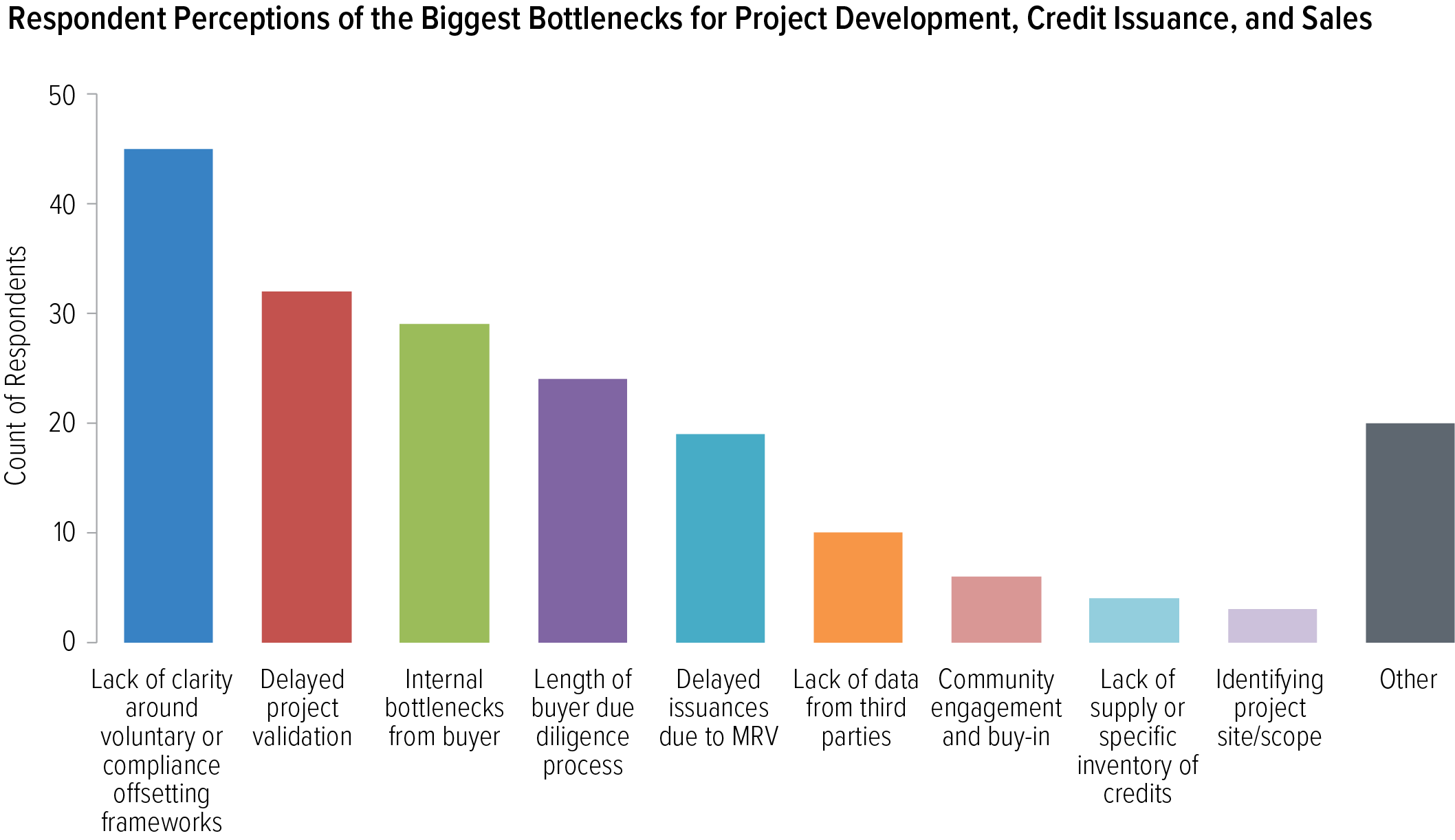
During our recent Ecosystem Marketplace (EM) webinar, NbS practitioners shared how project developers are navigating this evolving landscape. The conversation, accompanying a new survey carried out by EM, revealed real bottlenecks to CCP adoption, as well as concrete solutions that are already emerging across the market.
Here are five takeaways for practitioners, buyers, and investors alike.
Demand for High-Integrity Credits is Rising
EM’s market analysis, including our 2025 State of the Voluntary Carbon Market report, shows that buyer preferences are shifting towards project attributes that are considered indicators of quality. In 2024, demand for credits from carbon removal projects and from recent vintages increased. Meanwhile, integrity signals from programs like ICVCM’s CCP label are playing a growing role. In highly sought-after categories like Afforestation, Reforestation, & Revegetation (ARR), supply constraints are already driving up credit prices, while overall transaction volumes decreased in 2024 and remain limited.
Early Adopters Are Showing the Way Forward
Several developers are already taking steps to align with CCP-approved methodologies, even amid uncertainty. For example, Tree Aid has registered the first ARR project under the VCS VM0047 methodology in Burkina Faso, and Carbon Tanzania is transitioning one of their existing REDD+ projects in Tanzania to a new CCP-approved methodology. Their work shows that early adoption is possible when rooted in strong community partnership, collaboration with local and national government stakeholders, and a restoration-first mindset.
Tree Aid and Carbon Tanzania’s models also underscore that developers can succeed by embedding CCP values, such as additionality, community benefits, and long-term stewardship, into the foundation of their project design.
Developers Need Clearer Signals from ICVCM and Credit Standards
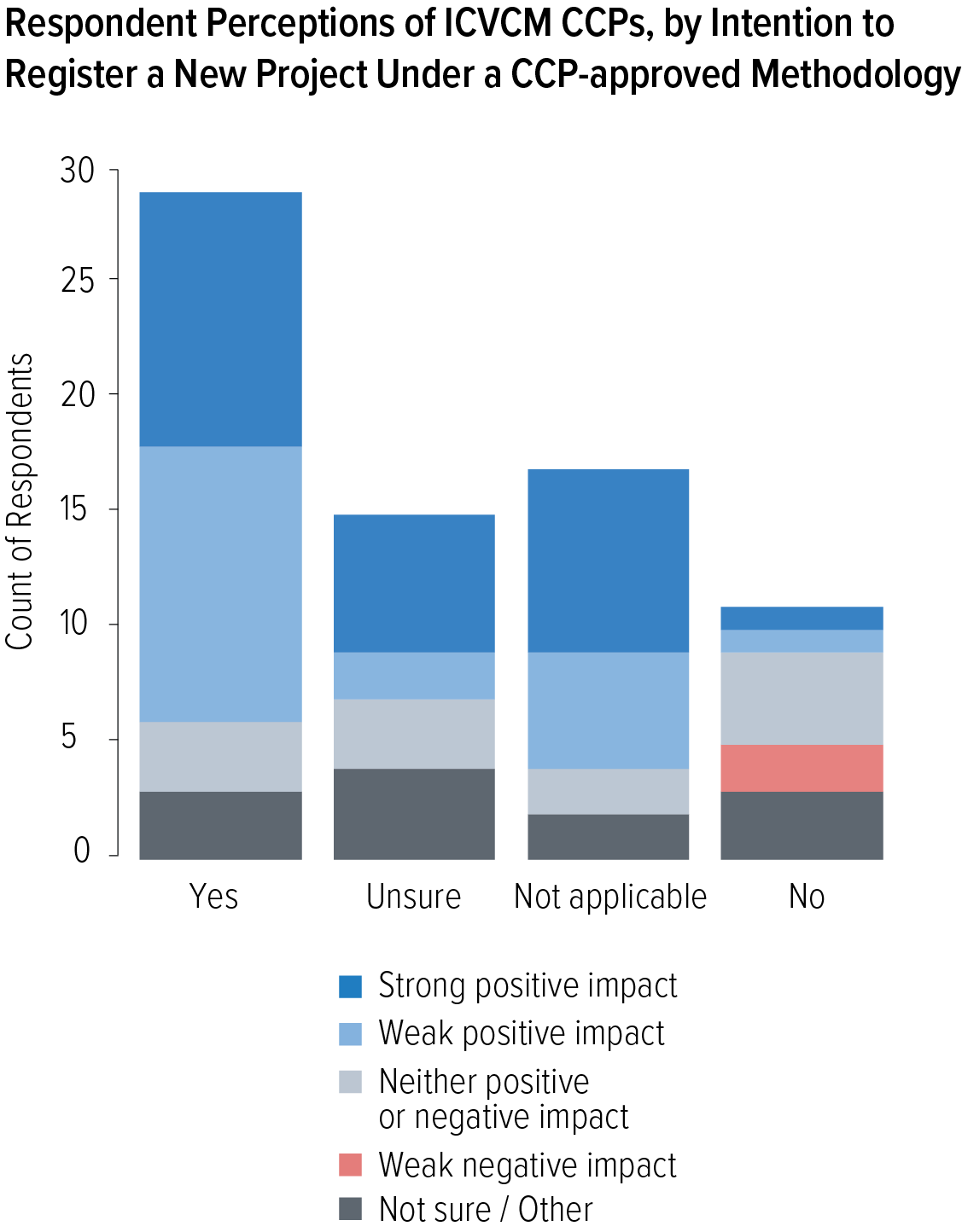
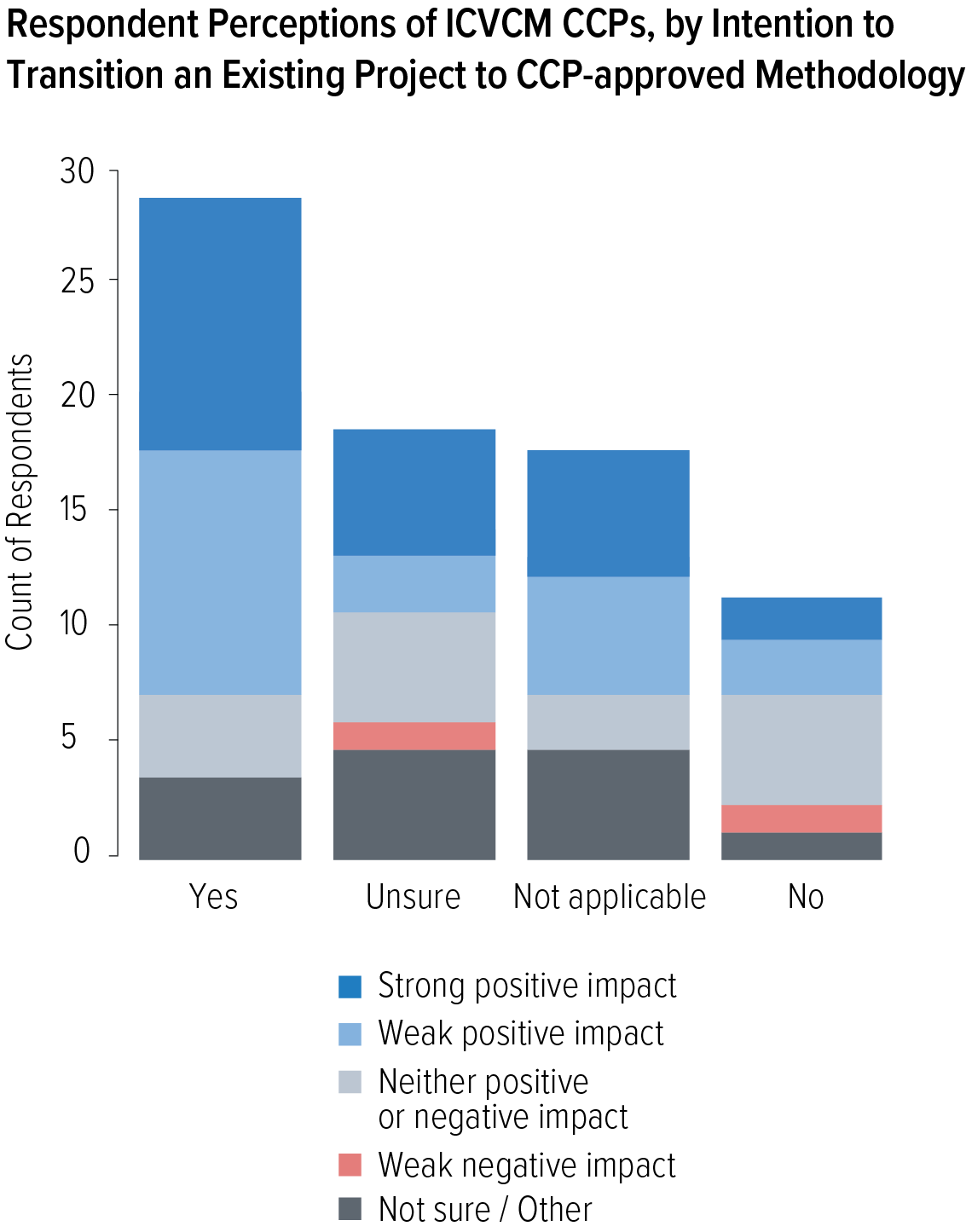
EM’s survey found that developers want to respond to and support key market developments, but they also need clearer, earlier guidance. In fact, the majority of REDD+ and ARR developers surveyed were considering CCP-aligned transitions, but many remained unsure due to gaps in methodology coverage and limited communication on timelines around data availability. EM found that:
Only a few NbS methodologies (for the REDD+ and ARR project types) have been approved
Other project types, including improved forest management (IFM), sustainable agriculture, biochar and other carbon dioxide removal methodologies, are still awaiting assessment
63% of survey respondents viewed the CCP program positively, but some flagged delays and uncertain demand as major bottlenecks
To bridge the gap between ambition and action, standards bodies and the ICVCM can publish roadmaps for methodology review and approval, offer “grace periods” or transition frameworks for active projects, and/or maintain centralized repositories with real-time methodology status updates.
Build Integrity from the Ground Up, but Keep It Feasible
While many developers are embracing the CCPs, they stress that integrity objectives must be achievable, especially for community-based organizations with fewer resources.
Matthew Ashpole of Tree Aid emphasized the need to “balance rigor with feasibility as a development actor.” That means designing projects that are technically sound but not prohibitively complex, and aligning carbon certification efforts with local priorities like land rights and livelihoods.
Collaboration and Capacity Building Are Essential
This transition is not one that any actor can manage alone. Our panelists spotlighted the growing role of intermediaries, technical consultants, and Measurement, Reporting, and Verification (MRV) tool providers in helping developers keep pace with evolving standards.
The VCM is entering a new chapter for integrity, and the CCPs are helping to raise expectations. Project developers are doing their part by retooling baselines, revisiting methodologies, and restructuring community engagement. However, to truly scale CCP adoption, developers need support from buyers, standards bodies, and investors who are equally committed to practical, values-driven climate solutions.
Please see our Reprint Guidelines for details on republishing our articles.
This website uses cookies to improve your experience. We'll assume you're ok with this, but you can opt-out if you wish. Cookie settingsACCEPT
Privacy & Cookies Policy
Privacy Overview
This website uses cookies to improve your experience while you navigate through the website. Out of these cookies, the cookies that are categorized as necessary are stored on your browser as they are essential for the working of basic functionalities of the website. We also use third-party cookies that help us analyze and understand how you use this website. These cookies will be stored in your browser only with your consent. You also have the option to opt-out of these cookies. But opting out of some of these cookies may have an effect on your browsing experience.
Necessary cookies are absolutely essential for the website to function properly. This category only includes cookies that ensures basic functionalities and security features of the website. These cookies do not store any personal information.
Any cookies that may not be particularly necessary for the website to function and is used specifically to collect user personal data via analytics, ads, other embedded contents are termed as non-necessary cookies. It is mandatory to procure user consent prior to running these cookies on your website.